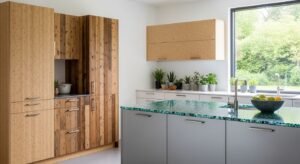
When it comes to creating your dream kitchen, every detail counts, and getting the measurements right is crucial. Knowing how to measure for kitchen cabinets like a pro can save you time, money, and frustration down the road. By following our simple guidelines, you’ll ensure that your cabinets fit perfectly and elevate the overall look of your space. So, let’s dive in and master this fundamental skill together!
Main Points
- Understand the importance of accurate measurements.
- Gather the right tools to ensure precision.
- Learn the best techniques for measuring different areas.
- Double-check your measurements to avoid mistakes.
Understanding Kitchen Layouts: The First Step to Accurate Measurements

When we think about kitchen design, Choose the Best Kitchen Cabinets often comes to mind. However, before diving into aesthetics, we need to grasp the impact of layout on our space. Proper measurements are crucial. Without understanding the kitchen layout, even the finest cabinets can feel misplaced. So, let’s explore how to optimize our kitchen design. Here are essential steps:
- Identify the workflow: Efficient movement between areas improves functionality.
- Consider storage options: Smart layouts allow for better organization and accessibility.
- Visualize your space: Use design software or sketch ideas to see what works best.
By focusing on these details, we can truly enjoy our cooking environment and enhance our culinary experiences.
Essential Tools for Measuring Kitchen Cabinets: What Every DIYer Needs
When diving into your kitchen cabinet project, having the right tools makes all the difference. First, grab a reliable tape measure; it’s your best friend for accurate dimensions. Don’t forget a level; ensuring your cabinets sit perfectly straight is key. Finally, a carpenter’s square will help with those tricky corners. Remember, precision is crucial to achieve a professional finish. So, equip yourself well, and let’s transform that kitchen together!
Quick Checklist of Essential Tools
| Tool | Purpose |
|---|---|
| Tape Measure | For accurate measurements |
| Level | Ensure cabinets are straight |
| Carpenter’s Square | Perfect corners |
As you embark on this DIY journey, remember to choose the best kitchen cabinets that suit your style and needs. A well-measured project leads to incredible results!
Step-by-Step Guide to Measuring Cabinet Dimensions: Ensuring a Perfect Fit
When it comes to achieving that perfect fit for your kitchen, nothing beats a thorough measurement. We know that getting the dimensions right can feel overwhelming, but fear not! Follow our simple guide to measure cabinet dimensions accurately. Start by gathering your tools—tape measure, pencil, and paper. Then, measure the height, width, and depth of the space available. Don’t forget to account for things like light switches and outlets, as they can complicate installation. Remember, precise measurements lead to a flawless look and function in your kitchen!
Choose the Best Kitchen Cabinets
Ultimately, when you choose the best kitchen cabinets, you’ll elevate your cooking space to new heights. Keep your goals in mind and select cabinets that complement your style while maintaining functionality. Let’s make your kitchen dreams come true!
Common Measuring Mistakes to Avoid: Tips for Professional-Quality Result

In our quest for perfection, we often stumble upon measuring mistakes that can hinder our results. Let’s take a moment to explore these common pitfalls together. Ensuring accuracy is fundamental, especially when we aim for choose the best kitchen cabinets. Here are some tips to elevate your measuring game:
- Double-Check Measurements: Always measure twice and cut once. This will save you time and resources.
- Utilize the Right Tools: Consider investing in quality measuring tools. A poor tape measure can lead to tragic results.
- Account for Tolerances: Leave allowances for fittings and installations. This detail often gets overlooked.
By steering clear of these common mistakes, we can ensure our projects shine with professional-quality results. Remember, precision is our ally in creating the perfect space!
How to Create a Detailed Measurement Plan: Organizing Your Cabinet Project
When planning your cabinet project, a detailed measurement plan is essential. Start by assessing your space, ensuring you capture every nook and cranny. Measure the height, width, and depth of your area accurately, as even a small error can cause complications later. Don’t forget to jot down any electrical outlets or plumbing that may affect your layout. Remember, a well-organized plan allows you to choose the best kitchen cabinets for your needs, creating a stunning and functional space.
Tips for Success
Stay patient during this process. It’s easy to overlook details, but taking your time will make a significant difference. Use a digital tool or grid paper to visualize your cabinet layout. This will help you choose the best kitchen cabinets that fit perfectly. Lastly, consult with a professional if needed; their insights can lead to more informed decisions, ensuring your project turns out just as you envisioned. Your dream kitchen is just a plan away!
Conclusion
In the end, finding the right measure for kitchen cabinets can truly transform your cooking space. This process not only enhances functionality but also adds a personal touch to one of the most important areas of your home. You want your kitchen to reflect your style while being practical, especially when it comes to storage and accessibility. It’s important to remember that careful planning and precise measurements are key. This way, you can ensure everything fits perfectly, giving you a kitchen that feels both comfortable and efficient. Keep this in mind as you embark on your kitchen renovation journey.
Frequently Asked Questions
What are the standard measurements for kitchen cabinets?
The standard height for kitchen cabinets is typically 34.5 inches for base cabinets and 30 inches for wall cabinets. The depth of base cabinets is usually 24 inches and wall cabinets are generally 12 inches deep.
How do I measure for kitchen cabinets?
To measure for kitchen cabinets, start by measuring the width of the wall where the cabinets will be installed, then measure the height and depth. Use a level to ensure your measurements are accurate, and account for any obstacles like windows or outlets.
Should I consider adjustable shelves in my cabinets?
Yes, adjustable shelves provide flexibility for storing items of various sizes, allowing you to customize the interior space according to your needs.
What is the difference between stock, semi-custom, and custom kitchen cabinets?
Stock cabinets are pre-manufactured and come in standard sizes. Semi-custom cabinets offer more options in terms of dimensions and finishes, while custom cabinets are made to order and can be tailored specifically to your kitchen’s design and dimensions.
How much space should I leave between the countertop and upper cabinets?
It is generally recommended to leave 18 inches of space between the countertop and the bottom of the upper cabinets to provide sufficient room for cooking and food preparation.