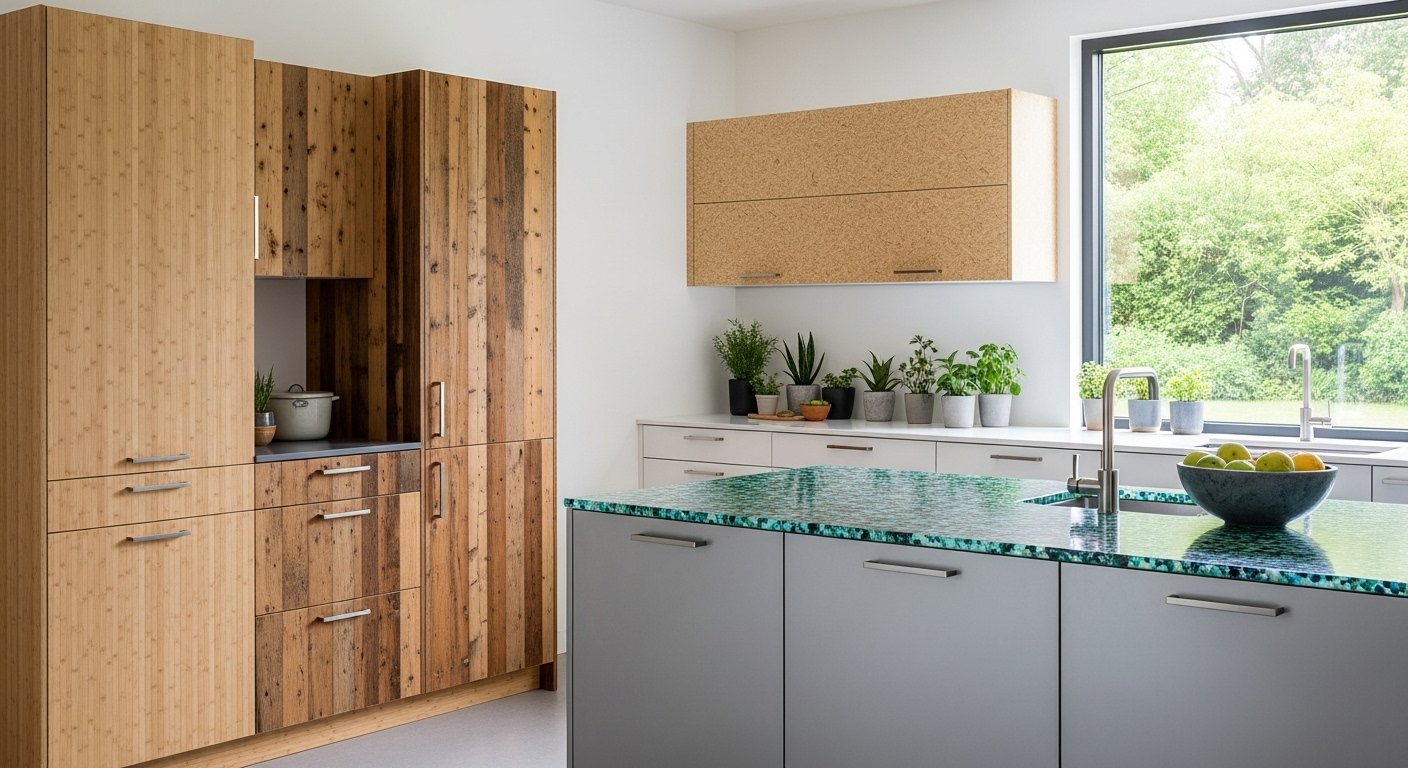
The landscape of home design is rapidly changing, especially in the heart of the home—our kitchens. In 2025, the focus on sustainability will prominently influence choices, including cabinet materials. Homeowners are increasingly searching for alternatives that not only enhance the aesthetic appeal but also reduce environmental impact. By selecting Eco-Friendly Kitchen Cabinet Materials, you can create a beautiful, functional space that aligns with your values and contributes to a healthier planet.
Main Points
- Understanding the benefits of sustainable materials for kitchen cabinets.
- Exploring popular options such as bamboo, reclaimed wood, and recycled materials.
- Evaluating the durability and maintenance needs of eco-friendly choices.
- Considering certifications that ensure environmental friendliness.
Sustainable Wood Options: The Best Choices for Eco-Friendly Kitchen Cabinets in 2025
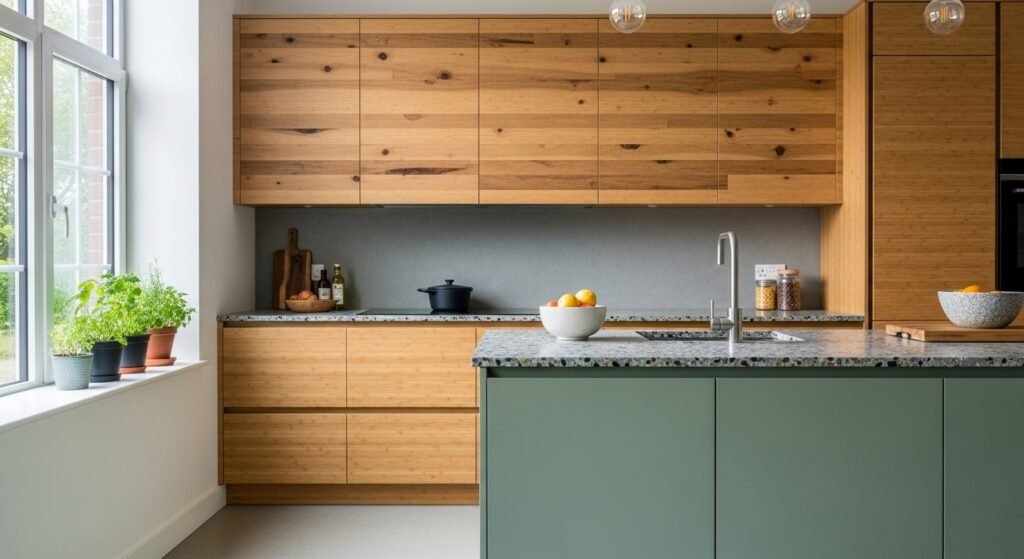
When it comes to selecting truly sustainable wood options for your kitchen cabinets, a few choices stand out. Bamboo, for example, grows rapidly, making it an enticing option. Reclaimed wood, on the other hand, boasts a storied past, giving your cabinets character while reducing deforestation. FSC-certified hardwoods also deserve consideration, promising a renewable resource. Ultimately, embracing these Eco-Friendly Kitchen Cabinet Materials enhances not just your kitchen’s aesthetics but also its impact on the planet.
Innovative Composite Materials: The Future of Eco-Conscious Cabinetry
Emerging composite materials are revolutionising the landscape of eco-conscious cabinetry. These innovative options not only offer durability but also promise sustainability, appealing to modern consumers. Many of these composites incorporate recycled elements, making them ideal for those seeking Eco-Friendly Kitchen Cabinet Materials. Consequently, their aesthetic versatility allows for various design styles, blurring the lines between form and sustainability. Therefore, investing in such materials may not only enhance your space but also contribute positively to the environment.
Recycled and Upcycled Materials: Transforming Waste into Beautiful Kitchen Cabinets
In today’s world, the shift towards sustainability is more prominent than ever. Recycled and upcycled materials are redefining how we approach Eco-Friendly Kitchen Cabinet Materials. These innovative solutions not only prevent waste but also infuse character into our living spaces. Imagine cabinets crafted from reclaimed wood or repurposed metal, each piece telling a story. Therefore, investing in these materials offers a unique blend of beauty and responsibility. Ultimately, you can create a stunning kitchen while being kind to the planet.
Non-Toxic Finishes and Adhesives: Enhancing Health and Sustainability in Cabinetry
Utilising non-toxic finishes and adhesives in cabinetry not only promotes better indoor air quality, but also aligns with a growing commitment to sustainability. Many homeowners are unaware of the potential hidden dangers in conventional materials. Therefore, opting for finishes that are free of harsh chemicals can profoundly impact both health and aesthetics. Additionally, these choices often reflect a deeper value for craftsmanship while ensuring a safer environment, especially for families striving for a healthier lifestyle.
Trends in Eco-Friendly Kitchen Design: Embracing Sustainable Materials for a Greener Home
As homeowners increasingly seek to reduce their environmental footprint, trends show a growing interest in Eco-Friendly Kitchen Cabinet Materials. Many now opt for reclaimed wood, bamboo, or recycled metals, which offer durability while minimizing waste. Innovative designs often incorporate these sustainable elements, promoting not just aesthetic appeal but also a sense of responsibility. However, the real challenge lies in balancing style with sustainability. Ultimately, embracing these materials could redefine kitchen spaces for a greener future.
Conclusion
Choosing eco-friendly kitchen cabinet materials is not just a trend; it’s a step towards a more sustainable home. As we embrace these options, we contribute to a healthier environment while enjoying beautiful and durable designs. The benefits extend beyond aesthetics, promoting a lifestyle that values both practicality and responsibility. By prioritising eco-conscious materials, we can transform our kitchens into spaces that reflect our values, making a positive impact on future generations. Overall, this mindful choice allows us to love our homes while caring for the planet, ensuring that elegance and sustainability go hand in hand.
Frequently Asked Questions
What are eco-friendly kitchen cabinet materials?
Eco-friendly kitchen cabinet materials include sustainable woods like bamboo and reclaimed wood, as well as non-toxic finishes and low-VOC (volatile organic compound) adhesives that minimise your kitchen’s environmental footprint.
Are bamboo cabinets a good choice for an eco-friendly kitchen?
Yes, bamboo cabinets are an excellent choice as bamboo is a rapidly renewable resource, making it more sustainable than traditional hardwoods. They are also durable and can be finished with eco-friendly coatings.
How can I ensure my cabinets are truly eco-friendly?
To ensure your cabinets are eco-friendly, look for certifications such as FSC (Forest Stewardship Council) for wood products, seek low-VOC or no-VOC finishes, and select suppliers who prioritise sustainability in their manufacturing processes.
Do eco-friendly cabinets cost more than traditional ones?
Eco-friendly cabinets may have a higher upfront cost, but they can save money in the long run through durability, less frequent replacement, and potential energy efficiency in your home.
Can I paint or stain eco-friendly cabinets?
Yes, you can paint or stain eco-friendly cabinets; however, it’s important to choose low-VOC or eco-friendly paint and stain products to maintain their sustainable characteristics and reduce indoor air pollution.